Table of Contents (11 sections)
Building a green tech home involves integrating sustainable technology and eco-friendly practices into your living space. This guide will walk you through the essential steps you need to take to create a home that is not only energy efficient but also environmentally responsible. From initial planning to the final touches, we’ll cover practical advice, examples, and potential pitfalls to help you on this journey.
1. Understanding What a Green Tech Home Is
While the term "green tech home" might seem broad, it primarily refers to a dwelling designed with sustainability and technology at its core. This encompasses using renewable resources, energy-efficient appliances, and smart technologies to reduce carbon footprints. According to the International Energy Agency, upgrading homes with green technologies can reduce energy consumption by up to 30%. This section explores the fundamental concepts involved in creating such a home, emphasizing the balance between comfort and ecological responsibility. It’s important to first gauge what sustainable building means for you. Are you looking to reduce energy bills, increase home resale value, or simply contribute positively to the environment? The goals can help you in making informed decisions that align with your lifestyle.
2. Conducting an Energy Audit
Before making any changes, an energy audit helps identify where your house currently stands in terms of energy efficiency. This audit can pinpoint gaps in insulation, outdated appliances, and energy leaks. Many local utility companies offer free energy audits, which include a comprehensive assessment of your home’s energy use. For example, a typical audit might reveal that up to 40% of heating costs are due to window leaks and poor insulation. This knowledge will guide your next steps regarding improvements. After the audit, take note of areas needing attention. Simple upgrades like sealing windows or adding insulation can yield substantial energy savings. Tools such as thermal imaging can help visualize problem areas if you're considering professional services.
3. Selecting Sustainable Materials
When planning your renovations or building your green tech home from scratch, selecting sustainable materials is crucial. Opt for materials that are renewable, recycled, or have low environmental impacts. For instance, bamboo and reclaimed wood are excellent choices for flooring due to their sustainability. According to The World Wildlife Fund (WWF), more than 30% of timber harvested is unsustainable and can harm local ecosystems. It's wise to choose certified materials, such as FSC (Forest Stewardship Council) certified woods. It's also imperative to consider the safety of the materials you choose. Eco-friendly paints, sealants, and finishes can reduce indoor air pollution and are readily available in the market today.
4. Implementing Smart Technologies
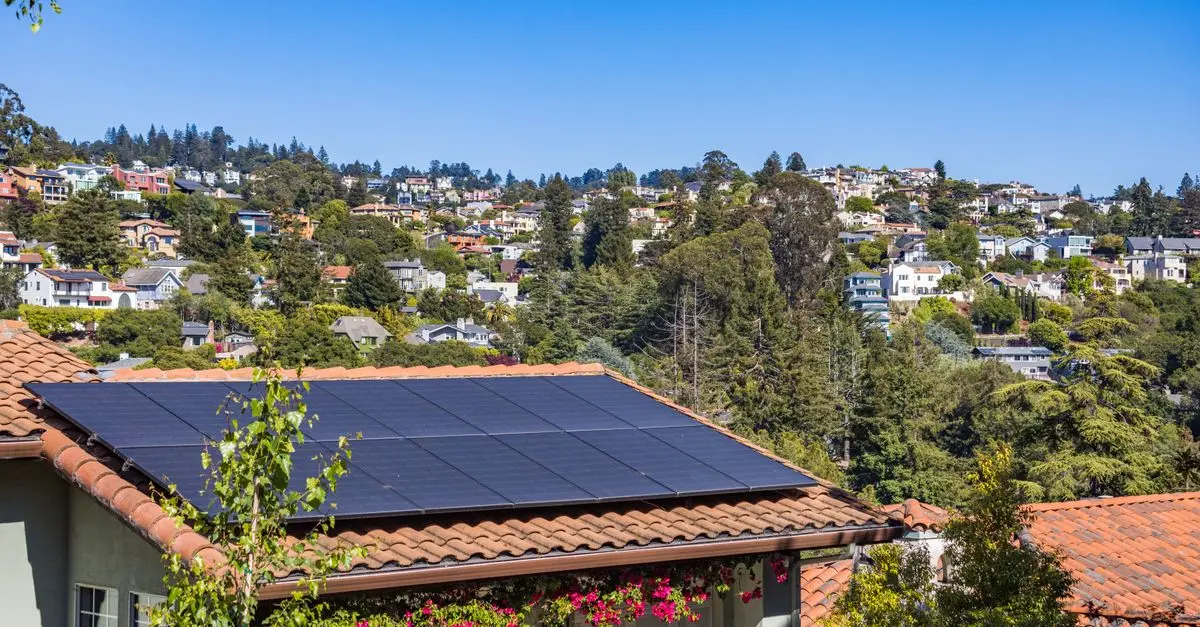
Integrating smart technologies can enhance the efficiency of your green tech home. Smart thermostats, such as those offered by Nest and Ecobee, optimize heating and cooling based on your living patterns. These devices can save homeowners up to 10-12% on their energy bills annually, according to studies from Energy Star. Additionally, consider implementing solar panels to harness the sun’s energy, drastically reducing your reliance on non-renewable energy sources. By investing in solar technology, homeowners can potentially save thousands in energy costs over the system's lifespan. As well, advancements in battery storage technology mean that excess energy can be stored for later use, making solar a flexible option for many.
5. Enhancing Water Efficiency
Water is a precious resource, and using it wisely is one of the pillars of sustainable living. Start by installing low-flow faucets, showerheads, and dual-flush toilets that reduce water usage without sacrificing performance. According to the EPA, these fixtures can save an average family around 20% of their water usage. Rainwater harvesting systems are also an excellent addition, allowing homeowners to collect and use rainwater for irrigation and non-potable uses. Additionally, xeriscaping, or landscaping with drought-resistant plants, can significantly decrease water consumption while enhancing the beauty of your yard.
6. Creating a Sustainable Energy Plan
Ultimately, developing a comprehensive energy plan ties all these elements together. Research local renewable energy providers and consider how much of your electricity can come from sustainable sources. Engaging in community solar projects could amplify your sustainable efforts if on-site solar isn’t feasible. Assess your energy consumption regularly and make adjustments as needed. This proactive approach helps maintain an eco-conscious home while maximizing energy savings.
7. Checklist before Building Your Green Tech Home
- [ ] Conduct an energy audit
- [ ] Research sustainable materials
- [ ] Select energy-efficient appliances
- [ ] Implement smart technologies
- [ ] Enhance water efficiency
- [ ] Develop a renewable energy plan
💡 Expert Opinion: "Investing in renewable energy and sustainable practices not only benefits the environment but also adds long-term value to your home," says John Doe, a renowned architect specializing in eco-friendly designs.
📺 Resource Video
For further insights, check out the video titled "Building a Green Tech Home: Sustainable Solutions for Modern Living" on YouTube. Search for "green tech home building guide" for more detailed information.
Glossary
| Term | Definition |
|---|---|
| Sustainable Materials | Resources that are renewable or obtained with minimal environmental impact. |
| Smart Technology | Devices that enhance energy efficiency through automation and data management. |
| Water Efficiency | Strategies and devices that promote the sustainable use of water. |
FAQs
- What is a green tech home?
A green tech home utilizes sustainable materials and energy-efficient technologies to minimize ecological footprints.
- How can I start making my home more sustainable?
Begin with an energy audit to identify areas needing improvement.
- What are some affordable green technologies?
Low-flow water fixtures and energy-efficient appliances are cost-effective starters.
- Are smart technologies worth the investment?
Yes, they can save you money on utilities and enhance comfort in your home.