Table of Contents (18 sections)
As electric vehicles (EVs) continue to gain traction globally, understanding the electric vehicles trends shaping 2026 is crucial for consumers and industry stakeholders alike. The growing popularity of EVs is driven by various factors including sustainability concerns, advancements in technology, and governmental policies aimed at reducing carbon emissions. In this article, we will explore major trends that are expected to dominate the electric vehicle landscape in 2026.
Understanding Electric Vehicles
Electric vehicles refer to a category of vehicles that are propelled by electric motors which use electrical energy stored in rechargeable batteries. Unlike traditional vehicles powered by internal combustion engines, EVs are often more energy-efficient and produce fewer emissions. According to UFC-Que Choisir, as of 2026, the global EV market has experienced robust growth, with EV sales climbing 61% over the last year alone. This astronomical increase showcases a significant shift towards sustainable transportation solutions.
Governments worldwide are introducing mandates and incentives to promote EV adoption, including tax credits, rebates, and investment in charging infrastructure. Moreover, advancements in battery technology have also contributed to the improved range of electric vehicles, making them a more viable option for everyday consumers.
Key Trends of 2026
1. Increased Charging Infrastructure
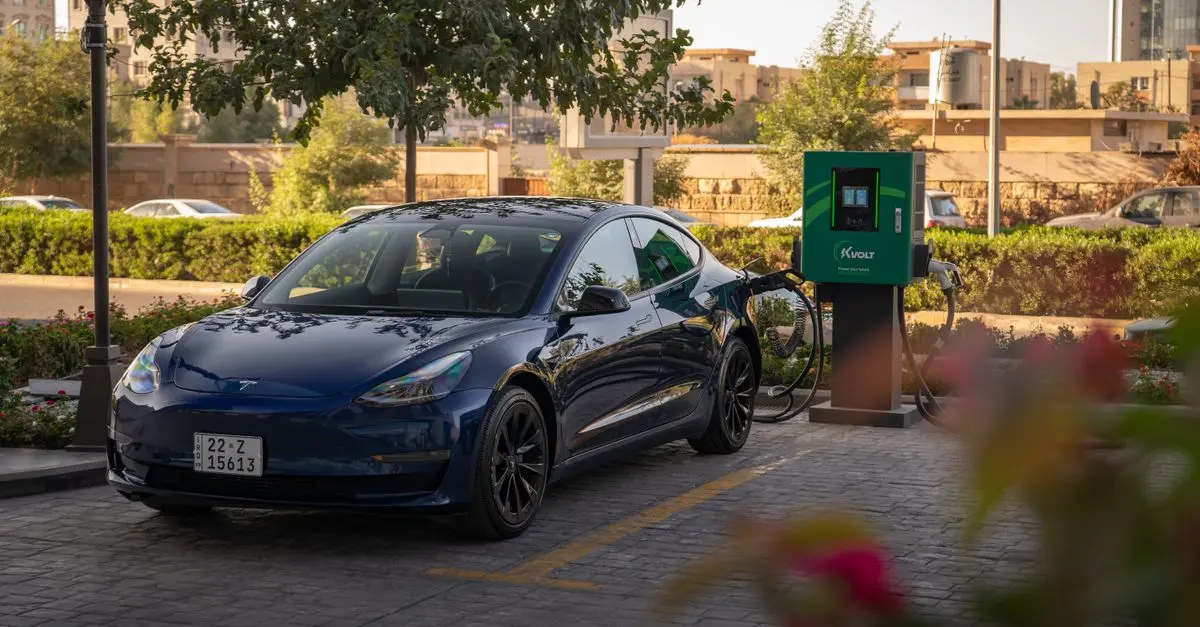
As the demand for electric vehicles continues to rise, it is essential for charging infrastructure to keep pace. By 2026, urban areas and highways are expected to see a significant increase in charging stations, with many municipalities partnering with private companies to enhance availability. According to INSEE, the number of charging stations in the U.S. is projected to reach 1 million by the end of 2026. This is a crucial development as one of the primary barriers to EV adoption has been the lack of convenient charging options.
💡 Expert Insight: A recent study suggests that the presence of charging stations increases the likelihood of EV adoption by 40% among potential vehicle buyers. Thus, expanding the charging network will not only support current owners but will also encourage new consumers to transition to electric alternatives.
2. Battery Technology Innovations
One of the most exciting electric vehicle trends in 2026 is the continual advancement in battery technology. Innovations like solid-state batteries are set to revolutionize the market, offering higher energy densities, faster charging times, and improved safety features. Tesla, Toyota, and several startups are investing heavily in research and development in this area. Reports suggest that solid-state batteries could potentially increase the range of electric vehicles to over 500 miles on a single charge by as early as 2026.
Moreover, recycling processes for EV batteries are improving, making the end-of-life phase more sustainable, which is increasingly important to environmentally conscious consumers. Research from The International Energy Agency estimates that battery production could create 25 million jobs globally by 2030, emphasizing the economic impact of this technological shift.
3. Enhanced Autonomous Driving Features
Another significant trend is the integration of advanced autonomous driving features within electric vehicles. Technologies such as LIDAR, radar, and sophisticated camera systems are being refined, making it increasingly feasible for cars to navigate without human intervention. By 2026, it is expected that most new electric vehicles will come equipped with at least Level 2 automation, allowing for features such as adaptive cruise control and lane-keeping assistance.
This shift not only enhances the safety of driving but also appeals to consumers who prioritize convenience. With increasing trust in autonomous technology, we could see a significant uptick in EV ownership. Additionally, data from McKinsey points out that market penetration of fully autonomous vehicles could reach up to 15% by the end of 2026.
4. Cost Parity with Internal Combustion Vehicles
Historically, one of the main deterrents for consumers away from electric vehicles has been their higher upfront costs compared to internal combustion engine (ICE) vehicles. However, as 2026 approaches, studies indicate that EVs are becoming increasingly competitive in price.
According to BloombergNEF, predicted cost parallels between EVs and ICE vehicles will be achieved within the next few years, primarily driven by lower battery prices. Consumers can anticipate that by 2026, many mainstream electric models will not only be comparable but could even be cheaper than their gasoline counterparts, making the transition more accessible than ever.
5. Growing Sustainability Consciousness
A rising trend impacting the electric vehicle market is a heightened consciousness around sustainability and environmental impact. Today’s consumers are more inclined to support brands that prioritize sustainable practices. As such, manufacturers are prioritizing eco-friendly materials, such as recycled plastics and sustainable manufacturing practices. A Pew Research Center survey in 2026 revealed that approximately 70% of car buyers consider sustainability a significant factor when making their purchase decisions. This consumer demand is driving companies to rethink their production strategies in favor of more sustainable operations.
Comparing EV Technologies
| Criteria | Electric Motors | Hybrid Technology | Hydrogen Fuel Cells | Verdict |
|---|---|---|---|---|
| Emissions | Zero | Low | Zero | Electric Motors |
| Range | Up to 500 miles | 600 miles | 300 miles | Hybrid Technology |
| Refueling/Charging | Hours | Minutes | Minutes | Hybrid Technology |
| Cost | Higher initial | Moderate | Moderate | Cost Parity |
Industry Analysis and Statistics
The global electric vehicles market is projected to reach $800 billion by 2027, growing at a CAGR of over 21% from 2026. Factors like government regulations, fierce competition, and technological advancements are expected to propel this growth.
Companies like Volkswagen and Nissan are ramping up their electric vehicle lineups to compete effectively in this burgeoning market. Moreover, innovations in software, customer engagement through apps, and customization options will play pivotal roles in enhancing consumer experience and driving sales.
What are the primary benefits of electric vehicles?
Electric vehicles offer several advantages, including lower operational costs, reduced environmental impact, and increasingly competitive range and pricing against traditional vehicles.
How is the charging infrastructure evolving?
The charging infrastructure is rapidly expanding, with predictions for over 1 million charging stations in the U.S. alone by 2026, supporting the growing need for convenient access for EV drivers.
What advancements are expected in battery technology by 2026?
Innovations like solid-state batteries and improved recycling processes are anticipated, resulting in longer ranges and more sustainable manufacturing practices.
Are electric vehicles cost-effective?
Yes, as battery prices drop and cost parity with internal combustion vehicles is achieved, electric vehicles are projected to become increasingly cost-effective options for consumers.
Glossary
| Term | Definition |
|---|---|
| Electric Vehicle (EV) | A vehicle that operates entirely on electric power. |
| Solid-State Battery | A battery technology that uses solid materials for electrolytes instead of liquids. |
| Level 2 Automation | A form of driving assistance where the vehicle can manage most driving tasks but requires driver supervision. |
Checklist Before Purchase
- [ ] Assess your driving needs and range requirements.
- [ ] Research available charging stations in your area.
- [ ] Compare different EV models based on features and price.
- [ ] Review government incentives and rebates for EV purchases.
- [ ] Consider the total cost of ownership including maintenance and energy costs.
📺 For further insight: Watch this video on the latest trends in electric vehicles, including in-depth analysis of consumer preferences and industry shifts. Search on YouTube: "latest electric vehicle trends 2026".