Table of Contents (10 sections)
Tech shopping zones are evolving into vibrant, interactive spaces that promise to redefine how consumers engage with technology products. As we delve into 2026, several key trends are on the horizon, providing exciting innovations that will enhance the shopping experience in ways previously unimaginable. Here’s a look at some major trends pinpointed to shape the future of tech shopping zones.
Innovation in Smart Technology
Smart technology continues to revolutionize the retail landscape, and tech shopping zones are no exception. With the rise of artificial intelligence (AI) and the Internet of Things (IoT), shopping experiences are becoming more personalized and streamlined. Imagine entering a store and being welcomed by an interactive display that recognizes your preferences based on past purchases and recommends products tailored to your needs.
According to a recent study by Gartner, over 75% of consumers will prefer shopping in stores that use AI to enhance their experience by 2026. In practice, this could mean the integration of smart mirrors that allow you to virtually try on gadgets, augmented reality (AR) experiences that provide detailed product information, and robots assisting in inventory management while guiding customers to their desired items.
The importance of smart technology within tech shopping zones cannot be overstated; these innovations not only improve customer satisfaction but also streamline operations, enhancing efficiency for retailers. As businesses adopt these technologies, we can expect a measurable uptick in both foot traffic and sales performance, ultimately elevating the retail experience into a realm of unparalleled convenience.
Enhanced Omnichannel Experiences
The future of tech shopping zones is also leaning heavily into enhancing omnichannel experiences. Today’s consumers are seeking seamless transitions between online and offline shopping environments. With advancements in data analytics, shoppers can receive tailored communications, promotions, and personalized experiences regardless of how they engage with a retailer.
For example, a shopper might browse products on a retailer’s website, and then receive in-store assistance based on their online behavior when they arrive at the physical location. Businesses are predicted to allocate over 40% of their marketing budget on omnichannel initiatives by 2026, as emphasized in a report by McKinsey. This investment will enable a cohesive shopping journey.
Moreover, mobile apps are becoming vital tools, allowing consumers to navigate tech shopping zones efficiently with features like store maps, stock availability, and product information. As retailers harness technological tools to create more holistic experiences, customer loyalty is anticipated to grow, fostering an environment where shoppers feel valued and understood.
Smart Shopping Spot CD Slot Car Mount, Universal Car Mount For Tablet, Phone Holder For Smartphone CD Slot Car Mount, Universal Car Mount For Tablet,
inspireuplift.com
Smart Shopping Spot Adjustable Tablet Car Mount Holder, Cup Holder Base For Tablets In Car With Heavy Duty Design Adjustable Tablet Car Mount Holder,
inspireuplift.com
Smart Shopping Spot Car Dashboard Tablet Holder, Suction Mount For Tablets Car Dashboard Tablet Holder, Suction Mount For Tablets
inspireuplift.com
Focus on Sustainability and Ethical Practices
Sustainability is at the forefront of consumer mindsets as we move through 2026. Tech shopping zones are embracing eco-friendly practices, from sourcing sustainable materials for products to optimizing supply chains for minimal environmental impact. Accenture reports that 66% of consumers are willing to pay more for sustainable brands. Thus, incorporating sustainability can provide retailers a competitive edge.
Retail environments will increasingly feature products that are not only technologically advanced but also ethically produced. Tech companies are expected to be transparent about their manufacturing processes, supply chain practices, and product lifecycles. Innovations like recyclable packaging, energy-efficient displays, and even in-store recycling programs for old gadgets will be integral to strategy.
This shift towards sustainability not only resonates with environmentally conscious consumers but also reflects a larger industry trend towards responsible corporate practices. By aligning their strategies with sustainability goals, tech shopping zones can foster greater consumer trust and engagement, ensuring long-term success.
Interactive and Engaging Retail Spaces
As shoppers crave experiences, tech shopping zones are likely to evolve into engaging spaces that offer more than just passive shopping. Retailers are investing in immersive experiences such as interactive displays, gaming stations, and hands-on product demonstrations. These environments encourage exploration and interaction, capturing customers’ attention more effectively than traditional shopping setups.
Statistics have shown that brands that optimize for customer engagement see up to a 25% increase in overall sales. In 2026, we can predict a growing trend of experience-centric shopping, where consumers are encouraged to test, feel, and play with products before making purchase decisions. This not only builds customer confidence but also generates excitement around the shopping journey, making it a memorable experience.
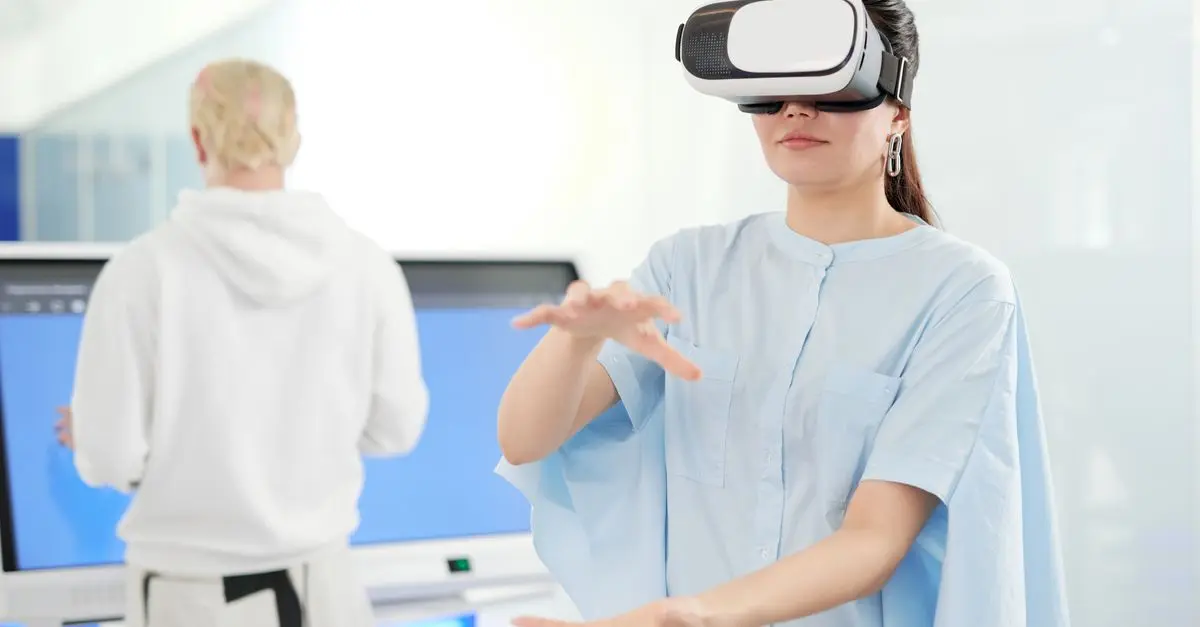
Incorporating elements like virtual reality (VR) to showcase products in realistic environments or hosting events with tech influencers will facilitate deeper connections with customers. Ultimately, creating engaging retail spaces could redefine how brands interact with consumers, transforming shopping into an enjoyable and interactive venture.
Data-Driven Personalization
In 2026, data-driven personalization will be a vital cornerstone of tech shopping zones. Retailers will leverage massive amounts of consumer data to curate individual experiences. This method allows retailers to maximize customer satisfaction by providing relevant suggestions, reminders, and tailored promotions.
With platforms like Salesforce projecting that personalized marketing will be essential for 80% of consumers by 2026, tech shopping zones must prioritize data analytics to meet expectations. For instance, utilizing machine learning algorithms to analyze customer behavior patterns allows retailers to adjust inventory levels dynamically and recommend products that align with customer preferences.
Brands will increasingly follow this trend by developing unique customer profiles based on previous interactions, purchase histories, and even social media engagement. Retailers can then offer special incentives for loyalty, targeted promotions, and customized product offerings. As personalization becomes a differentiator, we expect brands that excel in this area to thrive, capturing substantial market share in the competitive landscape of retail.
Conclusion
The landscape of tech shopping zones in 2026 is set to undergo a remarkable transformation fueled by innovations in AI, sustainability, and immersive experiences. By focusing on enhancing customer experiences through engagement, personalization, and sustainable practices, retailers can create compelling environments that attract and retain consumers. As these trends unfold, tech shopping zones will not only be places for transactions but spaces for discovery, learning, and memorable experiences.
📺 For Further Exploration:
Find videos analyzing trends in tech shopping zones on YouTube: future tech shopping zones 2026 innovations
Smart Shopping Spot Women Sheer Lace Top Slim Fit Long Sleeve Round Neck Undershirt For Spring Casual Streetwear khaki l
inspireuplift.com
Smart Shopping Spot Anime Car Decoration Accessories, Big Long Hair Hot Stamping Dot Dice Plush Toy Cube Pendant, Auto Pendant pink
inspireuplift.com

Los Angeles Apparel RLH3405 - Embellished Leather Shopping Bag
losangelesapparel.net
🧠 Quick Quiz:
> What major trend is predicted to influence tech shopping zones the most in 2026?
> - A) Traditional retail
> - B) Enhanced Omnichannel Experiences
> - C) Decreased technology integration
> Answer: B — Enhanced Omnichannel Experiences is expected to create a seamless shopping journey through data and technology.
Glossary
| Term | Definition |
|---|
| AI (Artificial Intelligence) | The simulation of human intelligence processes by machines, especially computer systems.
| IoT (Internet of Things) | The interconnection via the Internet of computing devices embedded in everyday objects.
| Omnichannel | A sales approach that provides customers with an integrated shopping experience, whether they are shopping online from a desktop or mobile device.
Checklist Before Purchase
- [ ] Research product compatibility with existing technology
- [ ] Check consumer reviews for quality assurance
- [ ] Compare prices across different tech shopping zones
- [ ] Assess warranty and support options
- [ ] Verify sustainability practices of the brand
📺 Pour aller plus loin : future tech shopping zones 2026 innovations sur YouTube
Recommended products
Selected by our experts

Bellroy Market Tote Plus Large Foldable Shoulder Shopping Bag Copper - Copper
bellroy.com

Bellroy Market Tote Plus Large Foldable Shoulder Shopping Bag Hot Sauce - Hot_sauce
bellroy.com


Bellroy City Tote Compact Foldable Shoulder Shopping Bag Burgundy - Burgundy
bellroy.com

Bellroy City Tote Compact Foldable Shoulder Shopping Bag Hot Sauce - Hot_sauce
bellroy.com