Table of Contents (11 sections)
As we enter 2026, tech shopping zones are poised to redefine the retail landscape, merging technology with customer experience in unprecedented ways. The integration of advanced technologies in shopping environments is not just a trend; it's a necessity driven by changing consumer behaviors and preferences. This article explores major trends expected to shape the tech shopping landscape in 2026.
1. Augmented Reality Experiences
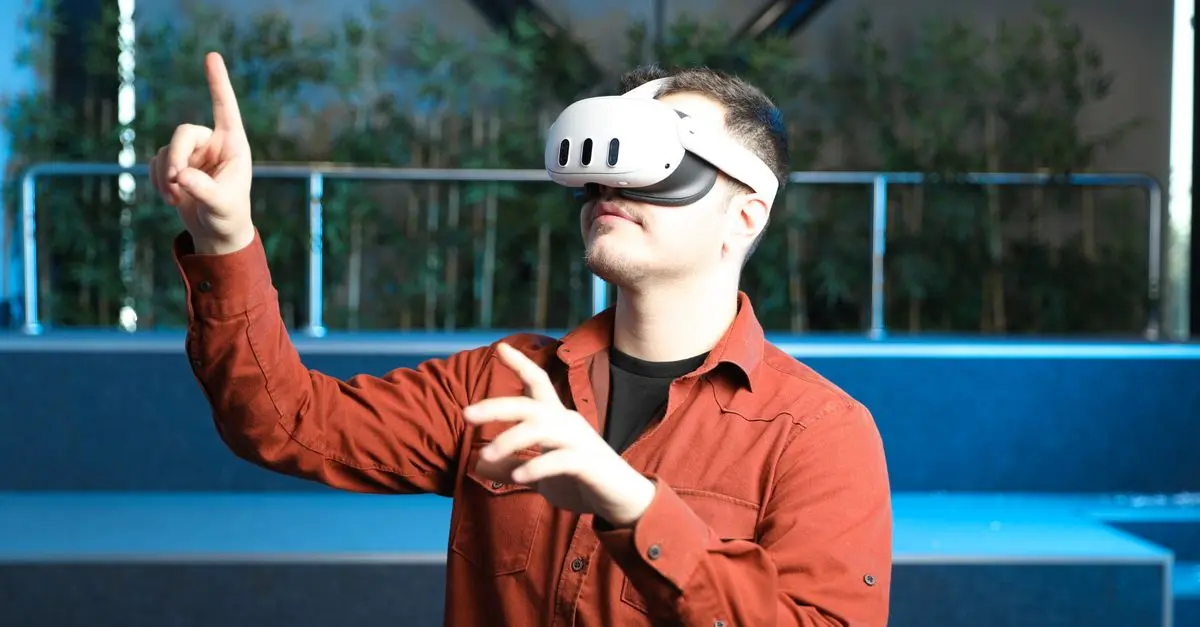
Augmented Reality (AR) is becoming a cornerstone of the modern shopping experience. Consumers are increasingly interested in immersive shopping experiences that provide them with real-time, vivid representations of products. For instance, AR shopping apps that allow users to visualize products in their home environment before making a purchase are seeing a surge in popularity. According to Gartner, 70% of consumers are likely to shop at a store that offers augmented reality experiences in 2026.
This tech not only enhances the shopper's experience but also helps retailers stand out in a crowded market. Brands like IKEA and L'Oreal have adopted AR to allow customers to see how furniture fits in their living spaces and how cosmetics appear on their skin respectively. This trend signifies a shift towards more personalized shopping experiences where consumers have direct control over their purchasing decisions.
2. Contactless and Mobile Payments
The pandemic has accelerated the shift towards contactless payments, which are now expected to become the norm in tech shopping zones. By 2026, mobile wallets like Apple Pay and Google Wallet are projected to account for over 50% of all in-store transactions, according to a report by McKinsey. Shoppers seek not only speed and convenience but also safety in their interactions—a trend that is here to stay.
Retailers must adapt by ensuring that their systems are equipped to handle various payment methods ranging from digital wallets to cryptocurrency. By streamlining payment processes, businesses can reduce queue times and enhance customer satisfaction. Successful retailers will be those who can offer seamless, frictionless payment solutions integrated into their shopping environments.

3. Smart Shopping Carts
Imagine entering a store and using a smart shopping cart equipped with sensors and digital screens that not only guides your shopping journey but also compiles your shopping list automatically. Smart shopping carts are gaining traction, offering consumers an innovative way to shop efficiently. According to research by Nielsen, 40% of shoppers expressed interest in using smart carts that provide real-time information on pricing, ingredients, and promotions as they shop.
These high-tech carts can help customers keep track of their total spending while offering personalized suggestions based on their purchase history. The success of these innovations will rely on effective data usage to enhance customer experiences, ensuring that new technologies do not alienate shoppers.
4. Enhanced Personalized Marketing
Personalization in marketing has evolved beyond targeted ads. By 2026, tech shopping zones will utilize AI and machine learning to tailor shopping experiences to individual preferences and behaviors actively. Retailers will analyze data from in-store sensors and online interactions to create personalized shopping experiences that resonate with each customer.
For example, when a customer enters a retail store, facial recognition technology will identify them and tailor promotions or product suggestions based on their past purchases. According to Deloitte, personalization can increase sales by up to 30%, making it a substantial focus for retailers seeking competitive advantage.
5. Integration of Online and Offline Shopping
The lines between physical and online shopping are blurring. The omnichannel shopping experience is now more critical than ever. As technology advances, consumers demand a cohesive shopping experience that integrates both worlds effectively. For instance, Amazon has already tested cashier-less stores where the system tracks purchases automatically and charges the customer accordingly, combining the ease of online shopping with the immediacy of brick-and-mortar stores.
Data from IBM indicates that retailers who seamlessly connect their online and physical stores see a 60% increase in customer loyalty. In 2026, consumers will likely expect the same innovation in every store they visit, making it imperative for retailers to enhance their synergies between their channels.
6. Focus on Sustainability
Sustainability has transitioned from a buzzword to a cornerstone of consumer choice. By 2026, tech shopping zones will increasingly cater to eco-conscious consumers, incorporating sustainable practices in both product offerings and store operations. Retailers can harness technology to provide transparent supply chains, allowing customers to trace the origins of their products.
According to Nielsen, 73% of younger consumers are willing to pay more for sustainable products. This trend reflects an evolving consumer awareness about environmental impact and ethical consumption. Tech shopping zones that prioritize sustainability in their practices will not only attract these eco-conscious consumers but can also reduce operational costs through energy efficiency measures.
FAQ
Q: What are tech shopping zones?
A: Tech shopping zones are retail environments that integrate advanced technologies to enhance the shopping experience, focusing on elements like augmented reality, contactless payments, and personalized marketing.
Q: How will augmented reality shape shopping experiences?
A: Augmented reality allows customers to visualize products in their environments, providing immersive experiences that can lead to higher customer satisfaction and can influence purchasing decisions.
Q: Why is sustainability important in shopping zones?
A: Sustainability is increasingly important to consumers, with many willing to pay more for eco-friendly products; shopping zones that prioritize sustainability appeal to this growing demographic.
Q: How can retailers benefit from personalized marketing?
A: Personalized marketing allows retailers to tailor experiences to individual consumer preferences, enhancing customer loyalty and potentially increasing sales by significant margins.
Checklist before visiting a tech shopping zone
- [ ] Research stores with AR experiences.
- [ ] Check if the store offers contactless payment options.
- [ ] Look for stores that prioritize sustainability.
- [ ] Explore personalized marketing promotions.
- [ ] Plan to use smart shopping carts.
Glossary
| Term | Definition |
|---|
| Augmented Reality (AR) | A technology that overlays digital information onto the real world, enhancing the shopping experience.
| Omnichannel | A retail strategy that provides a seamless shopping experience across all channels, both online and offline.
| Smart Shopping Cart | A digitally enhanced shopping cart equipped with technology to assist consumers in their shopping journey, providing real-time feedback and personalized suggestions.
📺 For further insights:
Check out this YouTube video on the future of tech shopping zones for an in-depth analysis of emerging trends. Search for "industry innovations in retail 2026".
We have selected several products suited for your shopping adventures. Explore our recommendations below and find what you need to enhance your retail experience!
📺 Pour aller plus loin : industry innovations in retail 2026 sur YouTube
Recommended products
Selected by our experts
Sac Shopping Arthur & Aston noir en cuir
3 Suisses FR
This shopping bag combines style and functionality, perfect for tech shopping adventures.
Sac shopping S noir
3 Suisses FR
A stylish option for the modern shopper, ideal for carrying tech gadgets.
Sac shopping noir
3 Suisses FR
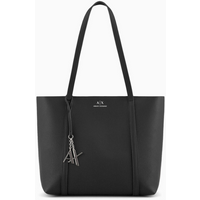
An elegant shopping bag that showcases sustainability and style for tech enthusiasts.