Table of Contents (17 sections)
In recent years, the retail landscape has witnessed a significant transformation, particularly in tech shopping zones. As we dive into 2026, the integration of innovations in tech shopping zones is not just a trend but a necessity. These innovations aim to enhance the shopping experience, streamline operations, and meet the evolving demands of consumers. In this article, we will explore some of the key innovations that are shaping the future of tech shopping environments.
1. Augmented Reality (AR) Shopping Experiences
The adoption of Augmented Reality (AR) technology has risen dramatically in tech shopping zones. This immersive technology allows customers to visualize how products would look in their own environments before making a purchase. For instance, many retailers now offer AR apps that let users point their smartphone cameras at their living rooms to see how a new piece of furniture would fit.
According to a study by Gartner, 100 million consumers will shop using AR online and in-store by 2026. This not only helps in personalizing the shopping experience but also reduces return rates by giving customers a better sense of size and fit. Retailers that have embraced AR have reported a 30% increase in customer engagement and satisfaction levels, reflecting a paradigm shift in how products are presented and sold.
Importance and Predictions
As AR technology continues to evolve, we can expect even more sophisticated applications, including virtual fitting rooms and customizable product previews. Retailers will need to invest in this technology not only to meet customer expectations but also to stand out in a competitive market. The convenience and personalization offered through AR will become a cornerstone of modern retail strategies.
2. Seamless Mobile Payment Solutions
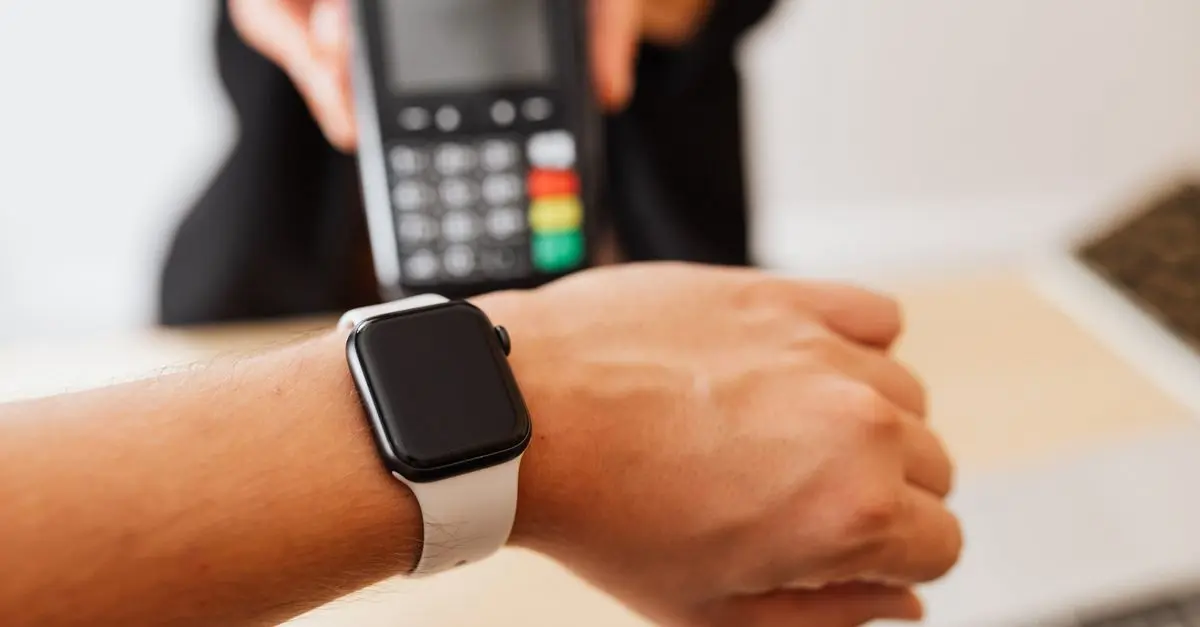
With the increasing reliance on smartphones, mobile payment technologies have become a cornerstone in tech shopping zones. Innovations such as contactless payments, digital wallets, and integrated apps allow customers to complete transactions quickly and securely. In 2026, it is estimated that 75% of transactions in retail will be made through mobile devices, reflecting a rapid shift towards digital transactions and the importance of convenience.
Retailers are taking advantage of this trend by integrating mobile payment solutions directly into their apps, making it easier for customers to shop without the need for physical cash or cards. For example, Amazon Go stores have successfully implemented cashless shopping, allowing customers to walk in, grab items, and walk out without traditional checkout lines.
Implications for Retailers
The growing demand for fast and secure payment options means retailers must ensure their systems are robust and user-friendly. By leveraging technology to simplify the payment process, retailers can enhance the customer experience and increase sales potential. The move towards mobile payments will also reduce operational costs associated with traditional cash handling.
Smart Shopping Spot CD Slot Car Mount, Universal Car Mount For Tablet, Phone Holder For Smartphone CD Slot Car Mount, Universal Car Mount For Tablet,
inspireuplift.com
Smart Shopping Spot Adjustable Tablet Car Mount Holder, Cup Holder Base For Tablets In Car With Heavy Duty Design Adjustable Tablet Car Mount Holder,
inspireuplift.com
Smart Shopping Spot Car Dashboard Tablet Holder, Suction Mount For Tablets Car Dashboard Tablet Holder, Suction Mount For Tablets
inspireuplift.com
3. Smart Inventory Management Systems
One of the most critical advancements in tech shopping zones is the implementation of smart inventory management systems. Utilizing technologies like IoT (Internet of Things) and AI (Artificial Intelligence), retailers can monitor inventory levels in real-time. This innovation not only allows for better stock management but also enhances the shopping experience by ensuring that popular items are consistently available.
Research indicates that businesses utilizing smart inventory solutions can reduce stockouts by 30%. These systems can automatically reorder stock when it reaches a predetermined threshold, ensuring that there is no lost revenue due to items being out of stock. The adoption of predictive analytics helps retailers understand purchasing patterns, enabling them to tailor stock to demand.
Future Directions
Looking ahead, we can predict further innovations in this area, such as automated warehouses and robotics that assist in inventory management tasks. As these technologies become more accessible, even small retailers will find the ability to optimize inventory management systems crucial for maintaining competitiveness in the market.
4. Personalized Shopping Experiences with AI
Artificial Intelligence (AI) is playing a vital role in creating customized shopping experiences in tech shopping zones. Retailers leverage AI to analyze customer behavior and preferences, allowing them to tailor recommendations and marketing messages. By analyzing data, AI solutions can predict what products customers are likely to be interested in based on previous purchases and browsing behaviors.
A report from McKinsey suggests that businesses that engage customers with personalized experiences can expect an uplift of 10% to 30% in revenue. Personalization is not only effective in promoting products but also fosters customer loyalty. This technology allows for experiences that are uniquely catered to each shopper, enhancing satisfaction and retention.
Continuing Evolution
As more data becomes accessible, the precision of AI algorithms will improve, leading to even more nuanced understanding of consumer preferences. Retailers should invest in AI technologies that allow them to enhance personalization efforts, responding quickly to changing consumer demands.
5. Omnichannel Retail Strategies
In 2026, a seamless omnichannel retail experience is essential. Consumers expect a consistent shopping experience across various platforms—be it in-store, online, or via mobile apps. Retailers are integrating various channels to ensure that customers can transition smoothly between them. For example, customers can place orders online and choose in-store pickup, enhancing convenience and time savings.
Statistics show that businesses employing omnichannel strategies retain 89% of their customers, highlighting the importance of a cohesive shopping experience. Retailers need to ensure that their systems are interconnected, providing customers with access to their purchase history, product availability, and delivery options across all platforms.
The Path Forward
Omnichannel strategies will continue to develop, with innovations such as virtual personal shopping assistants and integrated return processes becoming more commonplace. This approach not only boosts sales but also solidifies brand loyalty in a competitive retail market.
Conclusion
As we navigate through 2026, the landscape of tech shopping zones is evolving rapidly. The integration of innovations in tech shopping zones not only enhances the customer experience but also streamlines operational efficiencies for retailers. Businesses that embrace these advancements will certainly stand out in the marketplace, creating value-driven interactions with their customers. We have selected several products adapted to these innovative shopping environments. Discover our recommendations below.
Smart Shopping Spot Women Sheer Lace Top Slim Fit Long Sleeve Round Neck Undershirt For Spring Casual Streetwear khaki l
inspireuplift.com
Smart Shopping Spot Anime Car Decoration Accessories, Big Long Hair Hot Stamping Dot Dice Plush Toy Cube Pendant, Auto Pendant pink
inspireuplift.com

Los Angeles Apparel RLH3405 - Embellished Leather Shopping Bag
losangelesapparel.net
📺 Resource Video
For a deeper exploration, check out the video titled "Top Innovations in Retail for 2026," which provides a breakdown of the latest trends in tech shopping zones. Search on YouTube: "innovations in retail shopping 2026".
Glossary
| Term | Definition |
|---|---|
| Augmented Reality (AR) | A technology that superimposes digital information onto the real world to enhance the user experience. |
| Omnichannel | A multi-channel sales approach that provides customers with a seamless shopping experience across online and offline platforms. |
| Predictive Analytics | The use of data, algorithms, and machine learning techniques to identify the likelihood of future outcomes based on historical data. |
Checklist before purchase
- [ ] Consider using AR applications for product visualization
- [ ] Explore different mobile payment options for convenience
- [ ] Check for smart inventory features in retail systems
- [ ] Look for personalization features in shopping apps
- [ ] Ensure the retailer has a solid omnichannel strategy
📺 Pour aller plus loin : innovations in retail shopping 2026 sur YouTube
Recommended products
Selected by our experts

Bellroy Market Tote Plus Large Foldable Shoulder Shopping Bag Copper - Copper
bellroy.com

Bellroy Market Tote Plus Large Foldable Shoulder Shopping Bag Hot Sauce - Hot_sauce
bellroy.com


Bellroy City Tote Compact Foldable Shoulder Shopping Bag Burgundy - Burgundy
bellroy.com

Bellroy City Tote Compact Foldable Shoulder Shopping Bag Hot Sauce - Hot_sauce
bellroy.com